

Safety Students at Rig Right Learn Proper Vehicle Safety Inspections
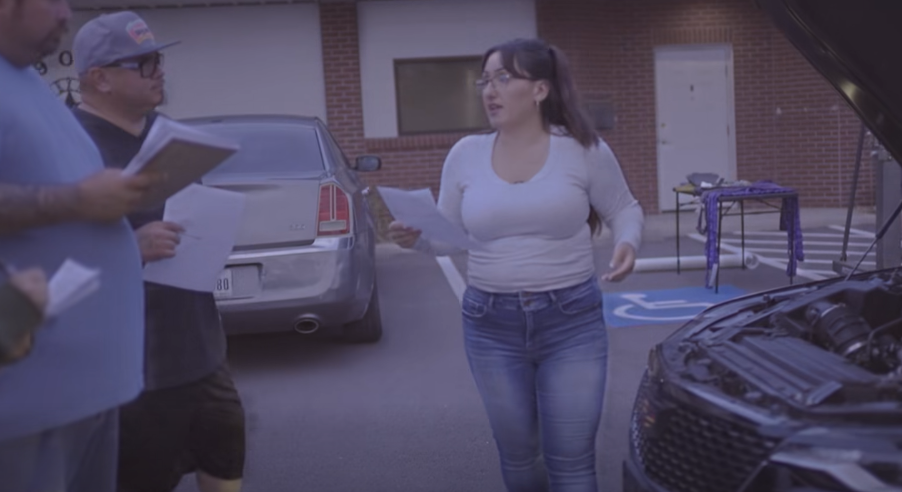
At Rig Right we take a hands on approach to safety. For Instructor Maria, its important to get students comfortable doing the job as soon as class begins. She's serious about safety.
A work vehicle can look fine and still be unsafe to use.
A damaged tire, bad brake, broken light or missing safety device can put the driver, crew and everyone around the vehicle at risk. That is why a workplace vehicle safety inspection should happen before the vehicle goes into service.
Rig Right Texas Safety Program students practice completing a vehicle inspection. They walk around the vehicle, look under the hood, inspect the cab and discuss what should be documented or reported.
This is more than checking boxes. Workers need to understand what they are looking for and what to do when they find a problem.
Why Are Workplace Vehicle Inspections Important?
Work vehicles are used around employees, equipment and active jobsites. A problem that seems small in the parking lot can become dangerous once the vehicle starts moving.
According to OSHA, transportation incidents account for a large share of occupational fatalities. Vehicle inspections and maintenance can help prevent injuries caused by unsafe vehicles.
For construction vehicles covered by 29 CFR 1926.601, OSHA requires vehicles to be checked at the beginning of each shift. The listed parts and equipment must be in safe operating condition and free from apparent damage that could cause failure during use.
OSHA also states that identified defects must be corrected before the vehicle is placed in service.
Workers and employers can review the full requirement in OSHA Standard 1926.601.
What Should You Check During a Vehicle Safety Inspection?
The exact inspection depends on the vehicle, the job and the manufacturer’s requirements. A work truck, passenger vehicle, trailer and piece of heavy equipment will not all use the same checklist.
However, these are some of the main areas workers should know how to inspect.
1. Walk Around the Vehicle
Start outside the vehicle before opening the door or starting the engine.
Look for:
- Damage to the body
- Fluid leaking underneath
- Broken glass
- Loose or missing parts
- Objects blocking the vehicle
- People working or standing nearby
- Anything that looks different from the last inspection
Do not rush through the walk-around. Looking at the whole vehicle first can help you find a problem before it becomes harder to see.
2. Inspect the Tires and Wheels
Check each tire for:
- Low air pressure
- Cuts, cracks or exposed material
- Uneven wear
- Objects stuck in the tire
- Loose or missing lug nuts
- Damage to the wheel
- Anything rubbing against the tire
The vehicle should not be used when a tire or wheel condition makes it unsafe to operate.
3. Check the Braking and Steering Systems
Workers should confirm that the vehicle’s braking and steering systems operate correctly.
Depending on the vehicle, this may include:
- Service brakes
- Parking brake
- Emergency stopping system
- Steering operation
- Warning lights or alarms
A worker should not assume a vehicle is safe because it operated normally during the previous shift.
4. Inspect Lights, Signals and Mirrors
Check the equipment the driver needs to see and communicate with others.
This can include:
- Headlights
- Brake lights
- Turn signals
- Reflectors
- Reverse lights
- Reverse alarm, when equipped
- Windshield
- Windshield wipers
- Mirrors
Dirty, damaged or incorrectly positioned mirrors can make blind spots worse.
5. Look Under the Hood
Only inspect areas you are trained and authorized to check.
Look for visible problems such as:
- Low fluid levels
- Damaged or loose hoses
- Loose connections
- Leaks
- Corrosion
- Worn belts
- Parts that appear damaged or out of place
Follow the manufacturer’s instructions and company procedures. A vehicle inspection does not replace maintenance performed by a qualified mechanic.
6. Inspect the Cab
Inside the vehicle, check the items needed for safe operation.
These may include:
- Seat belt
- Horn
- Gauges
- Warning lights
- Operating controls
- Windows and mirrors
- Fire extinguisher, when required
- Emergency equipment
- Registration or inspection documents required by the employer
Tools, materials and other items inside the vehicle should also be secured so they cannot move and strike an employee.
7. Check Coupling and Cargo Equipment
If the vehicle pulls a trailer or carries equipment, inspect the connections and securement system.
Look at:
- Coupling devices
- Trailer connections
- Safety chains
- Electrical connections
- Trailer brakes
- Tie-downs
- Cargo securement
Do not move the vehicle until the trailer and load are properly connected and secured.
OSHA provides a useful construction vehicle inspection checklist covering brakes, tires, steering, coupling devices, seat belts and other safety equipment.
What Should You Do If You Find a Problem?
Finding the problem is only the first step.
The worker should:
- Stop and evaluate the condition.
- Follow the employer’s reporting procedure.
- Document the problem clearly.
- Notify the correct supervisor or responsible person.
- Keep the vehicle out of service when the defect makes it unsafe.
- Confirm that the problem has been corrected before the vehicle is returned to service.
Do not mark an item as acceptable when it has not been checked. Do not ignore a problem because the vehicle still starts.
OSHA advises that vehicle deficiencies should be documented and defective vehicles should be repaired before they are placed back into service.
A Checklist Is Only Useful When You Understand It
Giving an employee a form does not automatically teach that employee how to inspect a vehicle.
Workers need to understand:
- What normal equipment should look like
- What damage or wear may look like
- Which problems need to be reported
- When equipment should not be used
- Who must be notified
- How the inspection should be documented
That is why we use practical activities in the Rig Right Texas Safety Program. Students work through the inspection process, ask questions and practice recognizing problems.
The goal is not to memorize a list for a test. The goal is to understand how safety decisions are made on a real job.
Learn Construction Safety at Rig Right Texas
The Rig Right Texas Safety Program is built for workers who want to enter safety, move into a safety position or take on more responsibility at work.
The program includes training related to:
- OSHA 10 and OSHA 30
- CSSO, CSST and CSSS pathway support
- Hazard recognition
- Job Safety Analyses
- Pre-task planning
- Safety meetings
- Incident investigation
- Construction safety responsibilities
- Hands-on safety activities
Students can attend in person in Portland, Texas, or live on Zoom. Zoom students complete a required hands-on day in Portland.
View the Rig Right Texas Safety Program to see the current schedule, tuition and payment options.
Employers who need to train a group can review our employee safety training options.
Frequently Asked Questions
Does OSHA require construction vehicles to be inspected every day?
For construction vehicles covered by 29 CFR 1926.601, OSHA requires vehicles in use to be checked at the beginning of each shift. Employers may have additional inspection requirements based on the vehicle, jobsite or company policy.
What happens when a vehicle fails an inspection?
The problem should be documented and reported according to the employer’s procedure. A defect that makes the vehicle unsafe must be corrected before the vehicle is placed into service.
Is a pre-trip inspection the same for every vehicle?
No. The checklist should match the vehicle, equipment, manufacturer’s instructions, work being performed and applicable regulations.
Can an employee repair a problem found during an inspection?
Only when the employee is trained and authorized to make that repair. Finding a problem during an inspection does not automatically qualify someone to repair it.
Does the Rig Right Safety Program guarantee a safety job?
No. Training does not guarantee employment, a promotion or a particular wage. Employers make their own hiring decisions and may require experience, site access, background checks or additional training.
Start Building Safety Skills You Can Use
Safety work requires more than collecting cards and certificates.
You need to recognize problems, document what you find, communicate with workers and know when unsafe work or equipment needs to be stopped.
That is what we help students begin learning at Rig Right Texas.
See the next Safety Program class and reserve your seat, or call or text 361-600-8957 for help choosing the right class.
This article provides general safety information and does not replace an employer’s procedures, the vehicle manufacturer’s instructions, site-specific training or applicable regulations.
