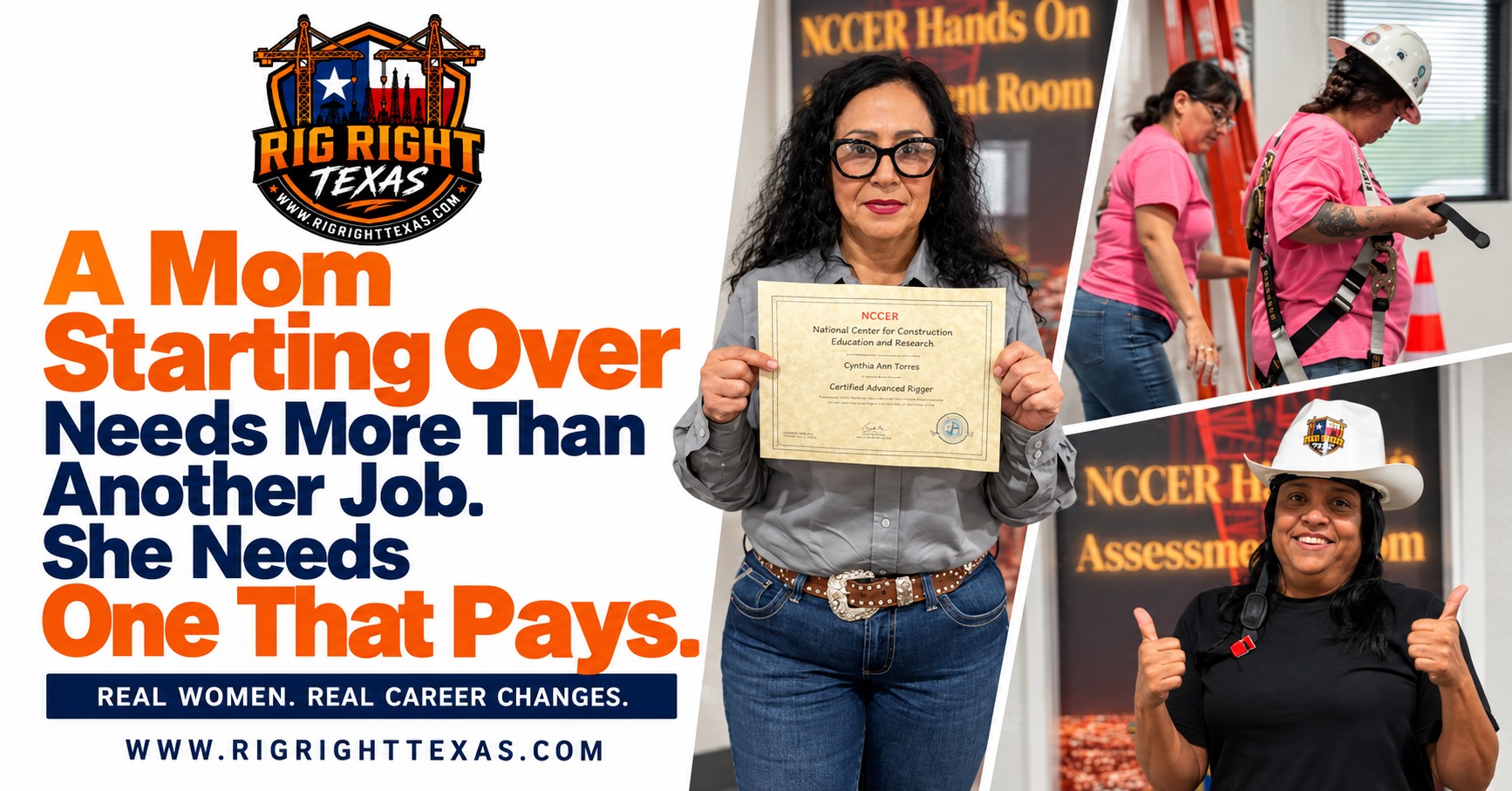
When you’re a mom starting over, “just get a job” is easy advice to give.
But you need a job that covers rent, groceries, childcare and the car payment. You need room to handle an emergency without everything falling apart.
And if you already work, you may be thinking: I’m working hard. How do I get into work that pays better?
Construction trades and industrial safety deserve a serious look. Women are doing this work, including moms who started in a different career or learned something new after having children.
At Rig Right Texas, we’ve seen women make that change.
Cindy went from driving a bus to working as a rigger
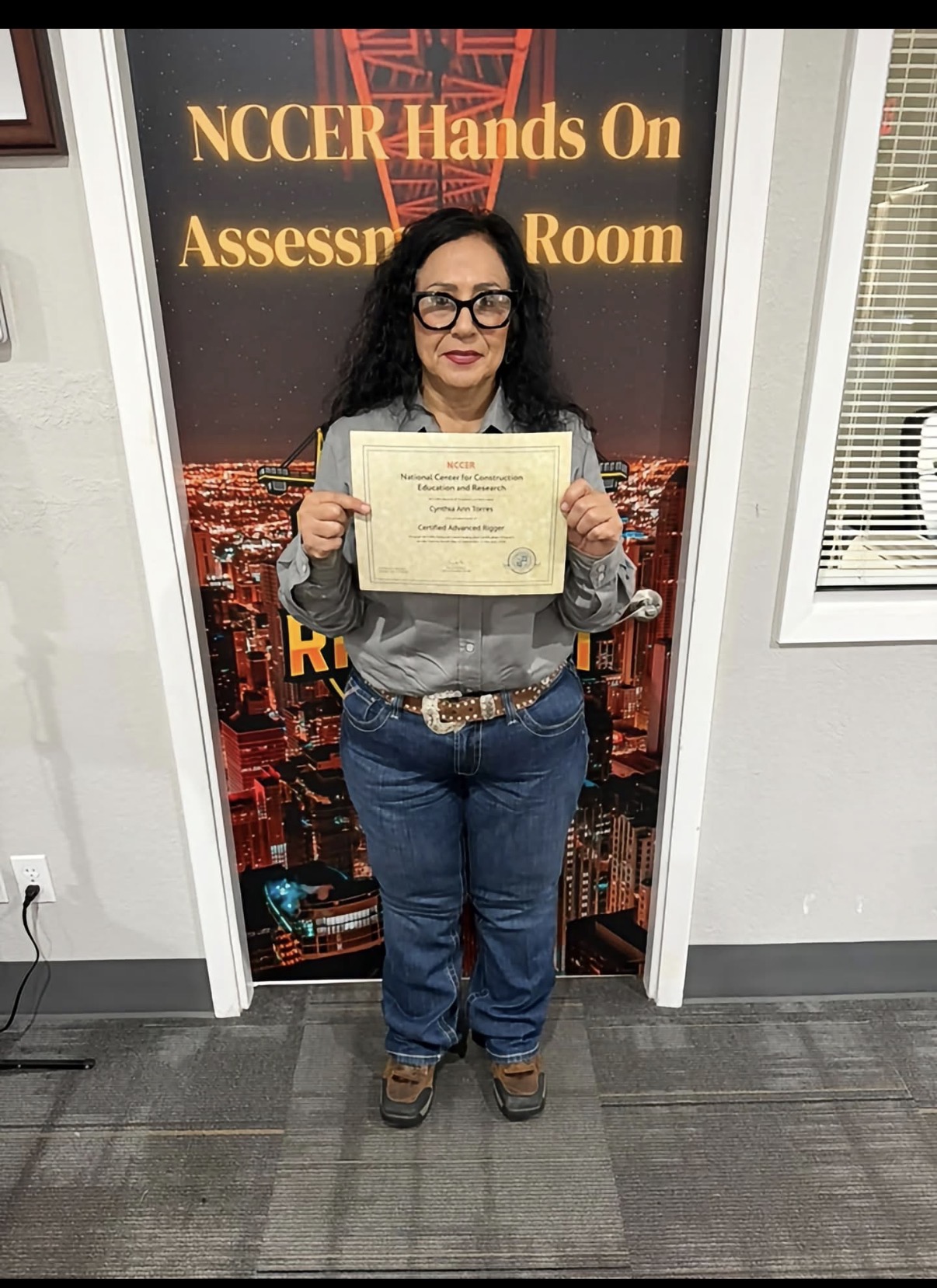
Cindy was a bus driver before she became a rigger.
That is a real career change. She came from a different kind of work and learned skills for a new job.
Rigging takes knowledge and careful decisions. Riggers help prepare and move loads with cranes and other lifting equipment. They need to understand equipment, load weight, balance and safe lifting procedures.
In our Advanced Rigger class, students work through rigging math, equipment inspections, load control and lift planning with Mike. The goal is to understand what you’re doing and why it matters when you’re on a jobsite.
Cindy’s story gives someone coming from another field a real example to consider: your current job does not have to be the only kind of work you ever do.
Learn about Advanced Rigger at Rig Right Texas
Thalia started a safety career in her 30s, after becoming a mom
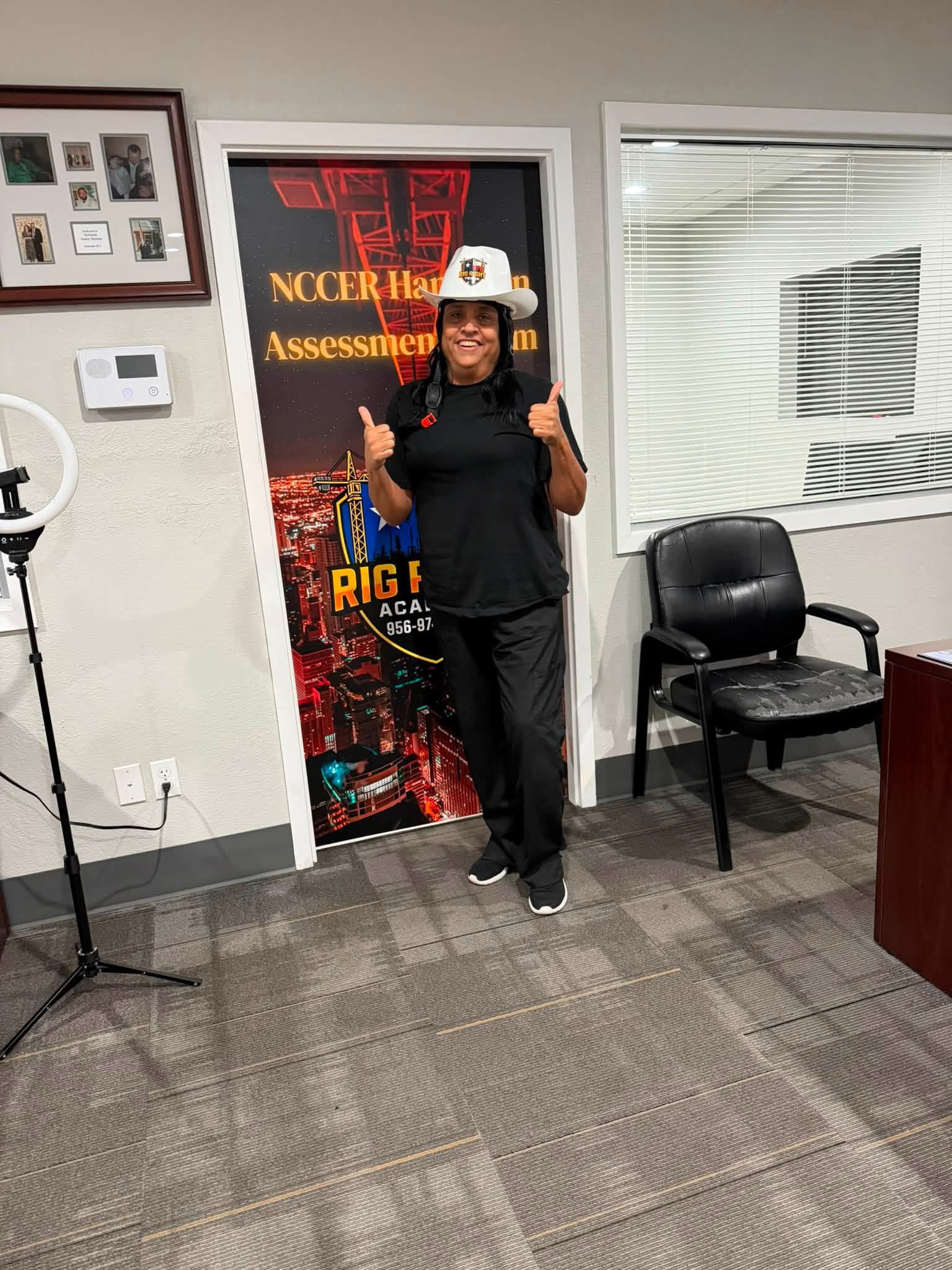
Thalia became a mom, started a new career in her 30s, and now works in safety in Montana.
For a woman wondering whether she waited too long, that matters.
You may have spent years working, raising children or putting other needs ahead of school. Learning a new field can feel intimidating when you have a family depending on you.
Thalia’s experience shows that motherhood and a career change can happen in the same life.
Safety work involves learning how to recognize hazards, understand work procedures and communicate concerns. Our safety classes cover topics such as fall protection, electrical hazards, inspections, job hazard analyses, incident investigations and safety records.
Students learn the material, work through jobsite examples and practice with instructor guidance.
Beginner? That’s what we’re here for. You do not need construction or safety experience to start our Safety Program.
Explore the Rig Right Texas Safety Program
Maria brings refinery experience into the classroom
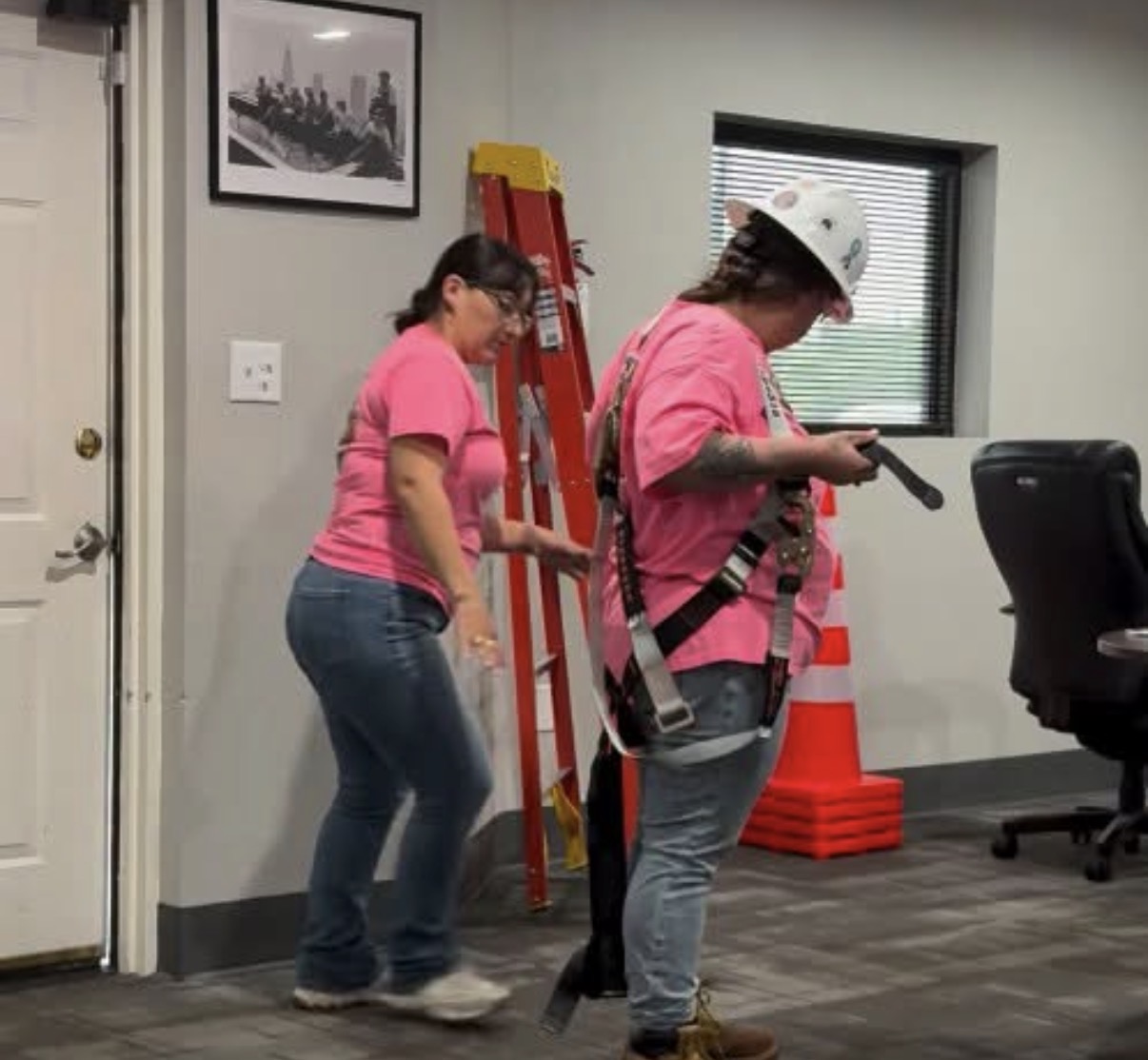
Maria, our safety instructor, works in refineries when she is not teaching.
That experience connects classroom lessons to the places where students may work. A safety procedure has more meaning when an instructor can explain how it applies around crews, equipment and real hazards.
When you are investing time and money in a career change, you should understand what the class teaches—and how those skills connect to the job.
Other moms have built careers in the trades, too
NCCER features Jasmin Gaona, a regional health, safety and environmental manager at Turner Industries. On its Women in Construction page, she describes being a single mother of two and being able to provide for her children through her construction career. Her experience offers another real example of a mom working in safety.
The U.S. Department of Labor also shared Brianna Crusoe’s story. She was a single mom working in a casino before entering a Women in Construction program and moving into an electrical apprenticeship. Training and childcare support helped her pursue the work. Her story also describes the difficulty of balancing childcare with a long commute—details a mom needs to consider when choosing a job.
These women took different routes. What they offer is something more useful than a motivational slogan: real examples of mothers learning skills and building careers.
How can NCCER certifications help you get better-paying work?
When you need better pay, it helps to have a credential that matches the jobs you want. Rig Right offers two ways to work toward that goal: short NCCER assessment prep courses and four-week training programs.
NCCER prep courses: prepare for the assessment
Our prep courses help you review the knowledge covered on an NCCER assessment and work toward credentials companies may ask for when hiring. They are short, focused courses, and the assessment fee is included when you test at Rig Right.
You work through the subject matter with an instructor, review important concepts and practice applying what you know. For someone working toward an assessment credential, this gives you a focused way to prepare without signing up for a full training program.
Passing an NCCER knowledge assessment gives employers evidence of your knowledge in that craft. Some certifications also require a hands-on performance verification. NCCER explains the knowledge and performance requirements here.
Four-week training: learn the skills for the job
If you are learning a new field, you need time to understand the work and practice it. Our four-week Safety, Electrical Level 1 and Instrumentation Level 1 programs include classroom learning and hands-on training.
In safety, you learn about recognizing hazards, inspections, job hazard analyses, incident reports and communicating with crews. Electrical and instrumentation students learn the tools, terms and procedures covered in their Level 1 program and practice the required skills with instructor guidance.
These programs are four weeks long because you are actually learning and training for the work. You have time to ask questions, work through examples and practice—not just review answers before an assessment.
For electrical and instrumentation, Level 1 is the beginning of your trade education. You can build on those skills as you gain experience and continue learning.
Tell Sarah or Tori what kind of job you want and what experience you have. We can help you choose between assessment prep and a training program, explain the credential you will work toward, and walk through the class schedule and payment options.
Can safety work pay well?
There is real earning potential in safety work. The Bureau of Labor Statistics reports a national median annual wage of $61,560 for occupational health and safety technicians in May 2025. The median for technicians working in construction was $74,330. Those figures describe workers across experience levels; they are not starting-pay promises or the earnings of our students. See the BLS occupation and wage information.
Your offer will depend on the employer, location, experience and job requirements.
For a mom, the hourly rate is only part of the decision. Before accepting work, ask:
- What are the normal hours?
- Is overtime required?
- Will I travel or stay away from home?
- Is this steady work or a temporary project?
- What benefits are included?
- What will childcare and transportation cost?
A job needs to make sense for your family as well as your bank account.
We’re moms, too. We understand what’s at stake.
Sarah, the owner of Rig Right Texas, and Tori, our student advisor, each have five kids.
We understand the pressure of being a mom starting over. You need better pay, but you still have bills due, children who need you and a schedule that doesn’t stop just because you want to learn something new.
That’s why we offer flexible class options and flexible payment options. Evening classes, in-person and Zoom options, and payment plans can help make room for learning while you keep taking care of your family.
When you talk with us, tell us what you’re working around—your job, childcare, your budget. We’ll explain the options for your program and help you choose a class you can commit to.
You can start learning while you still have responsibilities
At Rig Right Texas, evening classes give working adults a way to study after work. Depending on the program, students can attend in person or live on Zoom, with required hands-on training and testing arranged separately.
An advisor can help you compare the class schedule, costs, credential requirements and the kind of work you want to pursue.
Cindy changed careers. Thalia started safety work after becoming a mom. Maria works in refineries and teaches others.
If you’re a mom looking for work that can support your family, these careers are worth exploring.
Call or text Rig Right Texas at 361-600-8957. Tell us what you do now, what kind of work interests you and what schedule you need. We’ll help you understand your class options.