Instrument Technician
Test, calibrate and maintain measuring instruments in industrial plants.
See what instrument technicians do in refineries and plants, where you can work, and how to prepare for NCCER certification.
Employers look for instrumentation skills and certifications. Explore the positions you can work toward:
Test, calibrate and maintain measuring instruments in industrial plants.
Install instrument tubing, fittings and connections used on industrial systems.
Support experienced technicians and build practical knowledge on the job.
Instrumentation technicians install, check and maintain the instruments that help refineries and plants operate.
Set up and calibrate pressure, temperature, flow and level instruments.
Find problems, test signals and maintain industrial instruments.
Use P&IDs and loop diagrams to understand process systems.
Work with transmitters, control valves and industrial control systems.
Instrument technicians are needed in industrial operations, including:
See the work, learn the skills and prepare for the certification employers request.
Compare instrumentation jobs and hiring requirements.
Learn how measuring instruments and control systems work.
Study with a live instructor and focused practice materials.
Pass the NCCER assessment to earn the applicable certification.
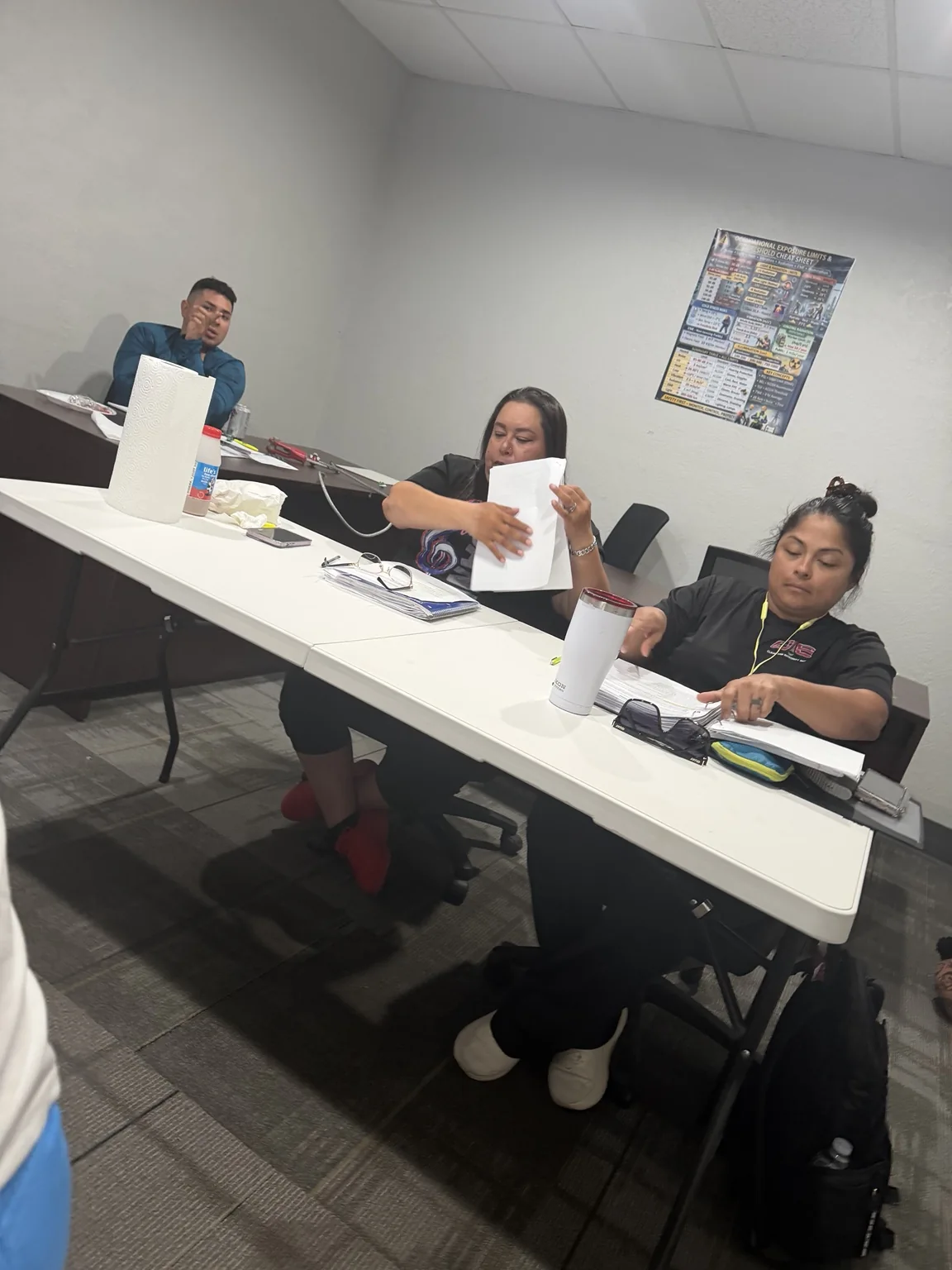
Build foundational instrumentation skills and knowledge with live instruction.
Next start date: Ask a student advisor · 4 weeks · Mon–Thu, 6:30–9:30 PM CT
View Training Details → Ask About the Next Class →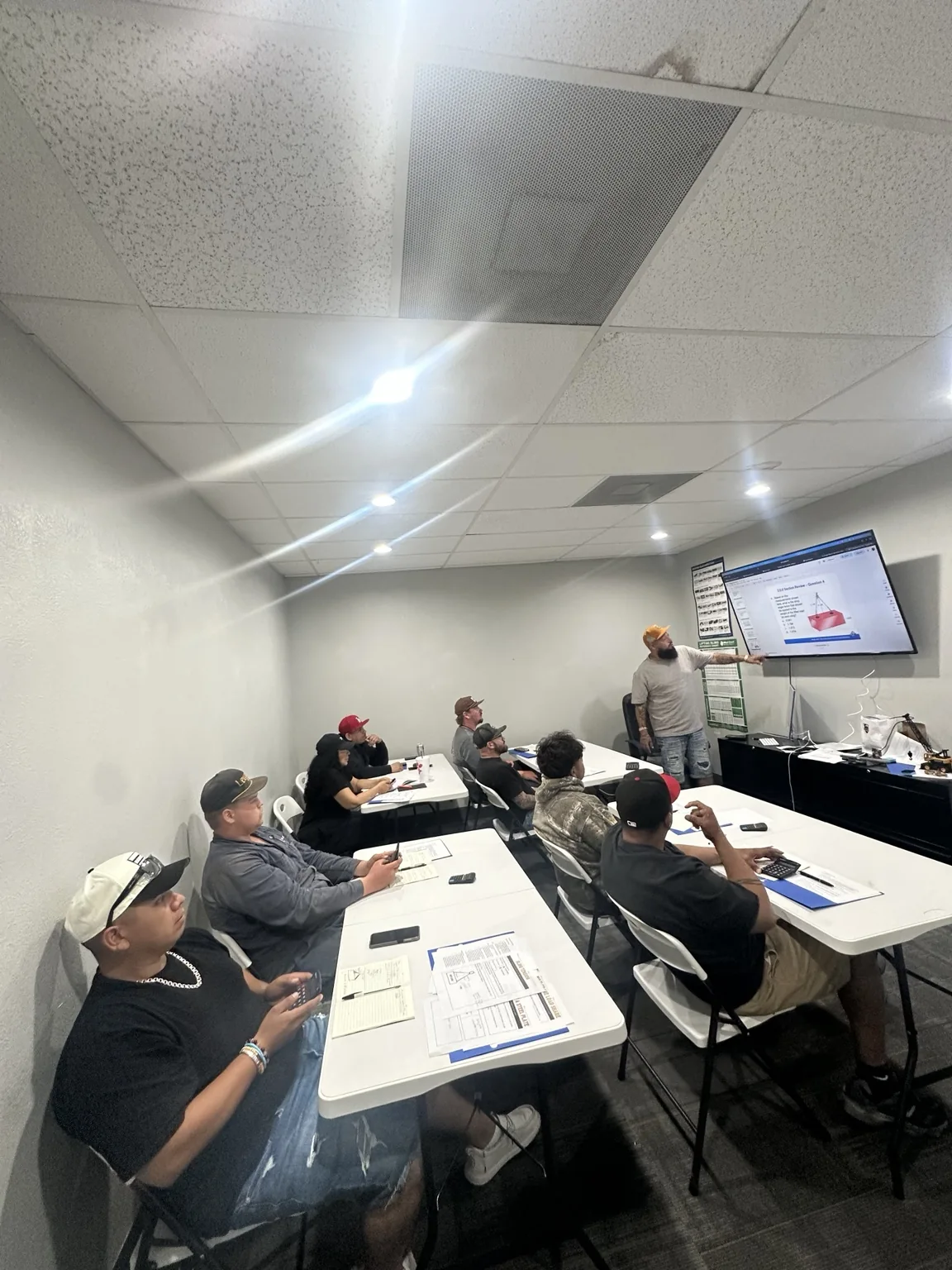
Instructor-led review to prepare for the NCCER Instrumentation Technician knowledge assessment.
Next class: December 7–9, 2026 · Mon–Wed, 6–9 PM CT · Testing December 11
View Prep Class Details → Reserve Seat — $100 Deposit →Explore instrumentation openings in Texas, Corpus Christi, and nationwide.
Talk to a student advisor about instrumentation classes, NCCER assessment prep and your next step.